
Spot 3 Differences in This Girl Washing Clothes Image: If you’ve spent even five minutes scrolling through social media lately, you’ve likely seen it — the viral image challenge captioned, “Can You Spot 3 Differences in This Girl Washing Clothes Image; Only 8 Seconds to Prove Your Genius!” Now, that’s a bold claim. Eight seconds? Genius? All for spotting three little changes?
Sounds simple, right? But this visual puzzle isn’t just child’s play. It’s a clever, brain-twisting challenge that has folks scratching their heads, zooming into their screens, and wondering how on earth they missed something so small — and so obvious. Let’s take a closer look at why this image is making waves, what it reveals about the way your brain works, and how you can use puzzles like this to level up your mental sharpness. Buckle up — we’re diving deep.
Table of Contents
Spot 3 Differences in This Girl Washing Clothes Image
The “Girl Washing Clothes Spot-the-Difference” puzzle might seem like a quirky trend at first, but it’s actually a well-crafted test of visual intelligence and cognitive processing under pressure. And here’s the truth: it’s not about spotting differences for bragging rights — it’s about recognizing how your brain works, and using simple tools to make it better. So whether you found all 3 differences in 8 seconds or needed a bit longer, you’re still giving your brain a boost every time you try. And that’s the kind of genius that really matters.
| Aspect | Details |
|---|---|
| Topic | Spot-the-Difference Image Puzzle |
| Main Image Description | A young girl washing clothes in a typical household setting |
| Total Differences to Spot | 3 |
| Time Limit | 8 seconds |
| Core Differences | Hair strand change, missing plant leaf, cupboard handle missing |
| Skills Tested | Visual memory, pattern recognition, cognitive speed |
| Use Case | Fun challenge, educational tool, brain training exercise |
| Original Source | Noukhez School System |
What’s Spot 3 Differences in This Girl Washing Clothes Image All About?
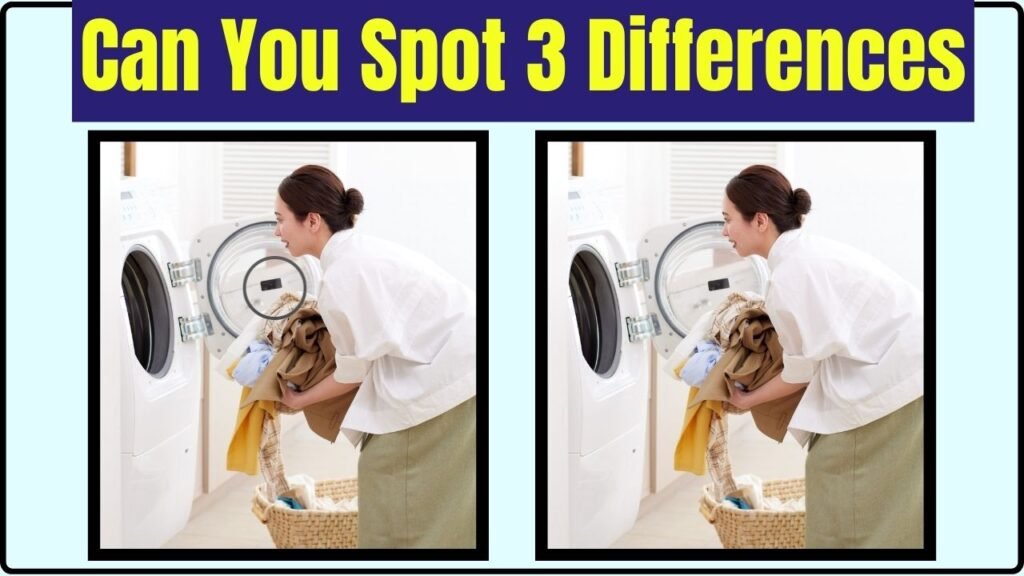
This viral puzzle shows two side-by-side images of a girl washing clothes. At first glance, they seem identical — the girl’s posture, her clothes, the room’s layout, even the background elements look the same.
But there’s a catch: three subtle differences are hidden between the two images. Your job? Find them — and fast. You’ve got just 8 seconds to spot them all.
This might sound like a TikTok trend or a Facebook challenge — and yes, it is — but it’s also a mini brain test backed by real science. Spot-the-difference puzzles aren’t just time-killers; they train your brain in meaningful ways.
What Makes This Puzzle So Challenging?
At the heart of this brain teaser lies a truth about how our minds work: our brains are wired to ignore the ordinary.
We’re built to filter out repetitive patterns and focus on what’s “different” or important. In this puzzle, your brain assumes both images are the same unless something really stands out.
That’s where the 8-second rule comes in. By putting a time crunch on you, the puzzle throws your brain into high-stress, high-speed processing mode. That’s when you start missing things — like a plant leaf or a cupboard handle.
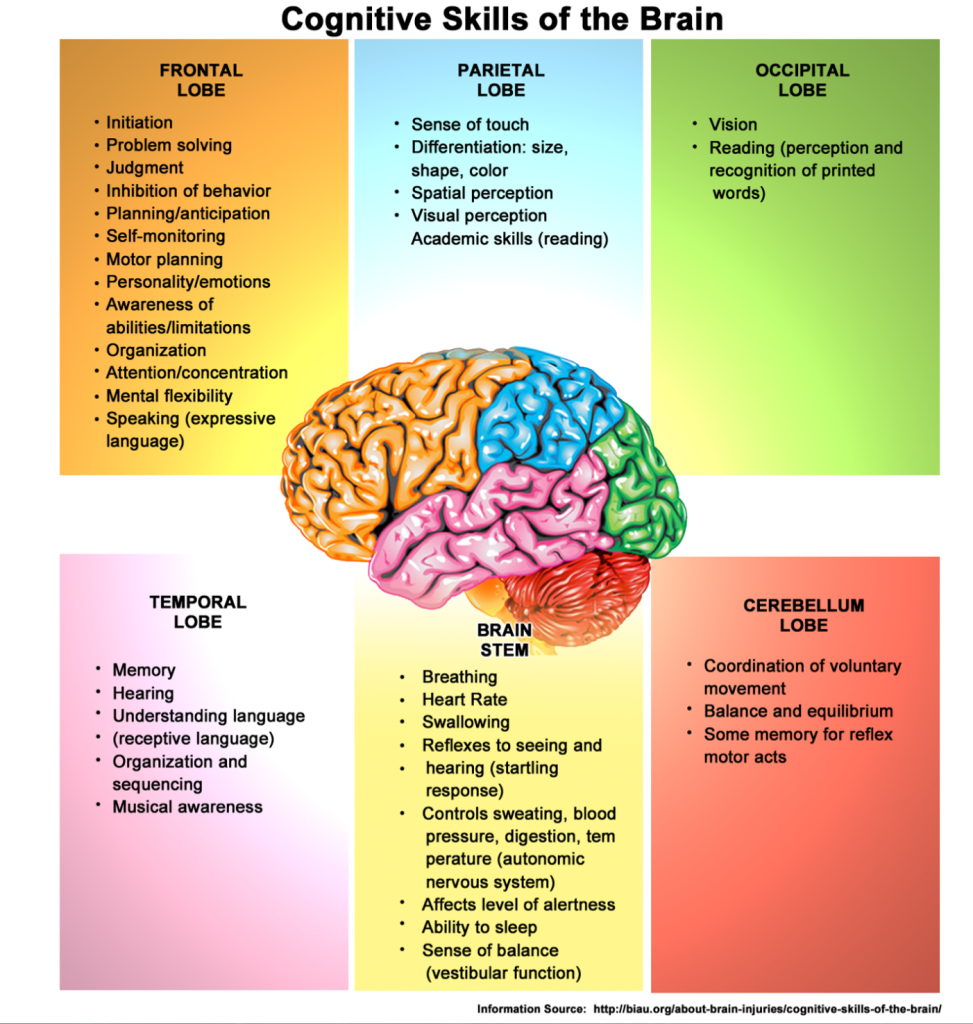
In cognitive terms, this puzzle is playing with:
- Visual scanning ability
- Selective attention
- Short-term memory
- Peripheral awareness
According to the National Institutes of Health (NIH), visual puzzles like these improve pattern recognition and decision-making speed, especially when done consistently over time.
The 3 Hidden Differences (Revealed!)
Let’s cut to the chase. What exactly are the differences hiding in plain sight?
1. Hair Detail Altered
In one image, the girl’s hair has an extra strand or a subtle shape change. This might be a tiny lock near her shoulder or a different curve near her neckline.
Why it’s hard to spot: Our brains are tuned to scan faces quickly but not dwell on hair. Hair is considered part of the “noise” — not the message.
2. Background Plant Leaf Missing
A leafy plant in the background has four leaves in one version and three in the other. The missing leaf might be slightly obscured, further increasing the difficulty.
Why it works: Background objects blend into the scene unless something obvious changes. Plants are low-priority in our visual system.
3. Cupboard Handle Gone
In one of the images, the handle on a cupboard or drawer is completely missing. It’s a common spot — low in the frame and not naturally where your eyes go first.
Why this fools most people: Cupboards are boring. They don’t change. Or so your brain thinks.
These differences are minor by design — but they reveal a major truth: perception is highly selective, and our eyes often lie to us.
Why Spot-the-Difference Puzzles Are Good for You?
You might think these puzzles are just time-wasters. But they’re actually useful tools for mental fitness.
Here’s what research — and real-world practice — shows:
- Boosts short-term memory: You remember and compare image elements on the fly.
- Improves attention to detail: Especially in high-pressure settings.
- Reduces cognitive decline: Puzzles help keep your brain engaged as you age.
- Teaches mindfulness: These puzzles force you to focus on the now.
According to Harvard Health, engaging in challenging visual exercises lowers the risk of cognitive decline by 29% in older adults.
Real-World Applications: Who Benefits From These Games?
Spot-the-difference challenges aren’t just for fun — they help train people in critical fields:
- Graphic Designers use similar exercises to train for consistency.
- Surgeons sharpen visual attention for operating under pressure.
- Pilots and Air Traffic Controllers need keen awareness of subtle changes.
- Editors and Proofreaders rely on spotting errors in long documents.
- QA Engineers and Testers catch tiny glitches in software or UI.
Even military and intelligence agencies use similar visual training techniques to sharpen observation skills under stress.
So if you’re working in any of these professions (or want to), puzzles like this are more than just play — they’re training tools.
How to Get Better at These Puzzles?
Want to spot differences faster and with more accuracy? Here’s a step-by-step training method anyone can use:
Step 1: Divide and Conquer
Split the image into quadrants and scan each section one at a time. This ensures you’re not just glancing, but observing.
Step 2: Practice With a Timer
Set a 10-second timer and increase speed as you improve. Pressure enhances performance over time.
Step 3: Start With 2 Differences, Then Increase
Start with easy puzzles. Gradually move to 3, 4, or 5-difference challenges as your skills improve.
Step 4: Compare Edge Details
Look at corners, backgrounds, and furniture — areas the eye tends to skip.
Step 5: Use Puzzle Apps
Apps like Lumosity, Peak, and MentalUp feature daily visual games designed by neuroscientists.
Why Spot 3 Differences in This Girl Washing Clothes Image Great for Kids Too?
Got a kid at home with a short attention span? Spot-the-difference games are classroom favorites for a reason.
These puzzles help young learners:
- Develop concentration
- Improve hand-eye coordination
- Enhance object recognition
- Learn to compare and contrast
- Practice patience and persistence
Teachers across the U.S. often use these challenges in morning warm-ups or as a reward activity.
Want to make it fun? Print two images, set a stopwatch, and challenge your kid: “Beat your last time!”
It’s screen time that actually sharpens the mind — not just entertains.
Why Spot 3 Differences in This Girl Washing Clothes Image Went Viral?
Not all puzzles go viral, so what made this one pop off?
- Simple concept: You don’t need instructions or language skills.
- Relatable setting: A girl doing chores — something almost everyone recognizes.
- Urgency: “8 seconds to prove your genius” is irresistible.
- Competitive hook: Friends start tagging each other to try it.
This image taps into the same psychological trigger as online quizzes and riddles. It’s a quick dopamine hit — and it makes you feel smart.
But more than that, it proves something important: simple challenges can reveal deep truths about how we think.