

Massive Winter Storm Targets 6 States With Up To 12 Inches Of Snow Travel Chaos Expected is shaping up to be one of the most disruptive weather events of the season for millions of Americans. If you live, work, or travel through the affected regions, understanding how this massive winter storm will unfold can make a real difference in how safely and smoothly you get through the next few days.
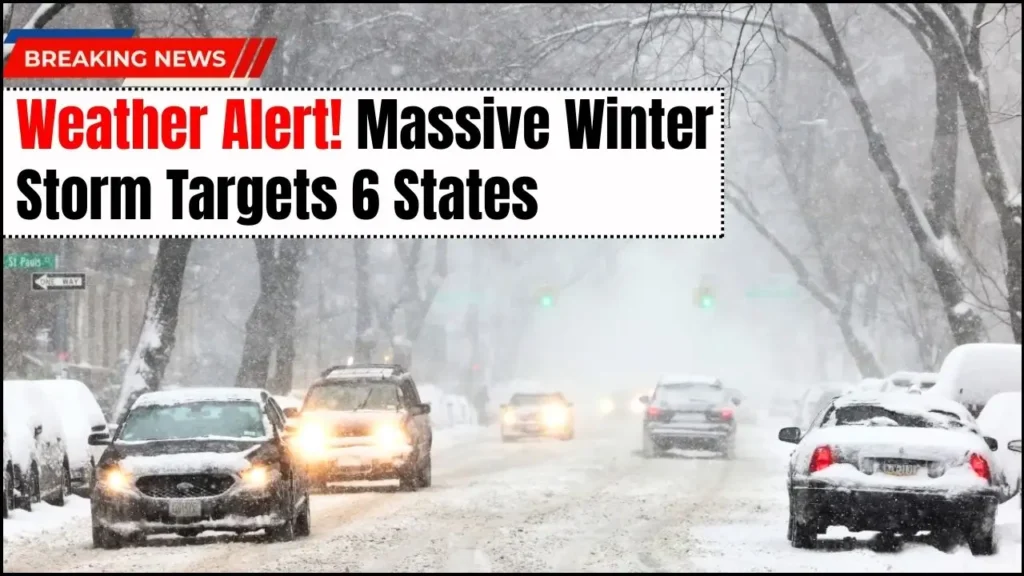
This massive winter storm is tracking across six U.S. states and bringing a volatile mix of heavy snow, sharp temperature drops, and strong winds that can turn a routine commute or flight into a serious challenge. From Alaska to parts of the Midwest and the Southeast, residents are preparing for quickly changing conditions, school and flight disruptions, and the very real possibility of travel chaos on highways, rural roads, and at major airports.
Table of Contents
Massive Winter Storm Targets 6 States
| Detail | Current Update |
|---|---|
| Affected States | Alaska, Wyoming, Michigan, Illinois, Virginia, South Carolina |
| Peak Storm Window | Main impact over two days, with lingering effects afterward |
| Maximum Forecast Snowfall | Up to 12 inches in parts of Alaska |
| Typical Range In Other States | Around 3–6 inches in some areas of Michigan and Wyoming; lighter but impactful totals elsewhere |
| Main Travel Threats | Snow-covered roads, low visibility, flight delays, and possible cancellations |
| Main Weather Driver | Cold Arctic air colliding with moist Pacific and Gulf air masses |
| Secondary Impact Zones | Some parts of the Central Plains and Midwest face hazardous travel from related systems |
| Likely Disruption Areas | Highways, intercity bus routes, regional airports, and some school districts |
Which 6 States Are in the Crosshairs
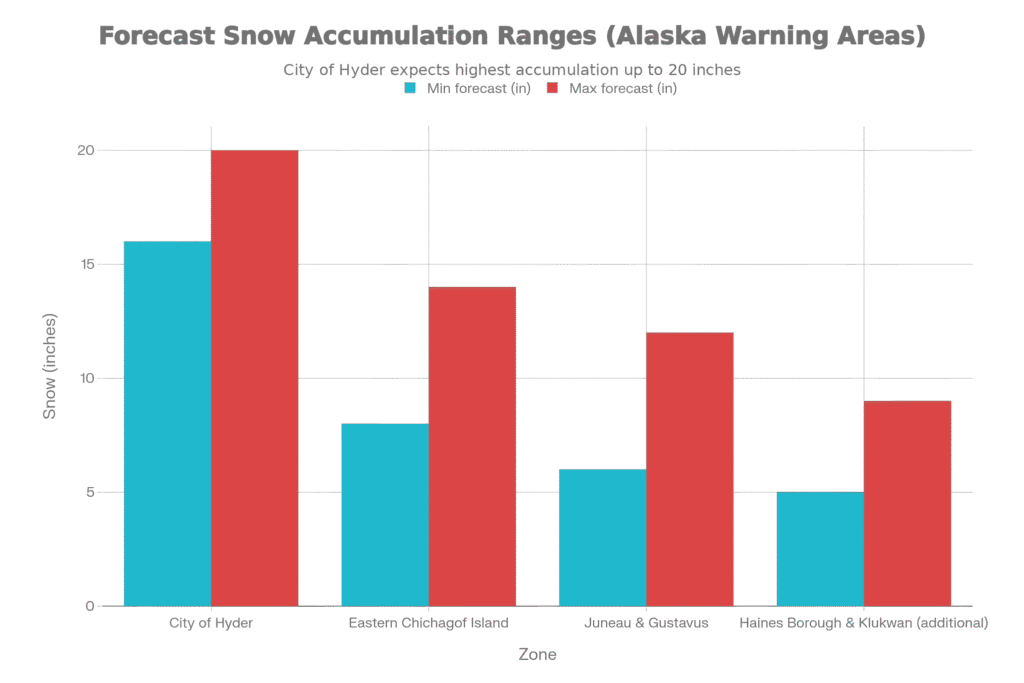
This massive winter storm is not striking every state equally, but all six under alert are dealing with some mix of snow, wind, and rapidly changing road conditions. Alaska is expected to take the hardest hit, with some coastal and island communities forecast to receive between 8 and 12 inches of snow along with strong gusts that can cause blowing and drifting. In these areas, even a short drive can become treacherous as visibility drops and roads become covered faster than plows can clear them.
In the Lower 48, Wyoming’s higher terrain and mountain regions could see significant accumulations, while parts of Michigan may pick up several inches during the storm’s peak. Illinois, Virginia, and South Carolina are more likely to experience lighter but still disruptive totals, enough to cause slick roads, fender-benders, and delays. Because temperatures hover around freezing in some of these states, even a few inches of wet, slushy snow can have an outsized impact on traffic and day-to-day routines.
Why Up To 12 Inches of Snow Is Possible
- The reason forecasters are talking about up to 12 inches of snow in some zones is the classic winter recipe: persistent cold air locked in place while a steady stream of moisture flows into the region. Over Alaska, strong storm systems are tapping into Pacific moisture and feeding it into an already cold environment, which supports long-lasting, heavy snow bands clustering over specific coastal and island areas. When that setup holds for many hours, double-digit snowfall totals become realistic.
- Farther south, the broader pattern is steering waves of energy across the Rockies, Plains, and Great Lakes, where colder air nearer the surface allows rain to flip to snow. Lake-effect enhancement in and around Michigan can briefly intensify snowfall, leading to localized bursts of heavier accumulation than what regional maps might suggest. In some areas, two towns only a short drive apart can end up with very different totals, depending on where the most persistent bands set up.
Travel Chaos Expected on Roads and Highways
- When you see “travel chaos expected” in headlines, it’s usually a reflection of what happens once snow and ice meet heavy traffic volumes. Even a modest amount of snow can turn untreated roads into slick, unpredictable surfaces, particularly at night and during early morning hours when pavement temperatures are coldest. Drivers who stick to normal speeds often find themselves sliding through intersections, losing control on ramps, or struggling to brake in time.
- On major highways and interstates, heavy trucks and dense commuter traffic add another layer of risk. Spinouts, multi-vehicle pileups, and jackknifed tractor-trailers can quickly close lanes or entire stretches of road, causing hours-long backups. In rural and mountainous areas, steep grades and sharp curves make matters worse, and some secondary routes can become impassable until plows and sand trucks catch up. During a massive winter storm like this, the safest strategy is often to delay or cancel nonessential trips until conditions improve.
How Airports and Flights Could Be Affected
Air travel is especially vulnerable during a wide-reaching winter storm because one or two key airports can influence the entire national network. When snow, ice, and low visibility hit large hubs, runways need frequent clearing, planes require de-icing, and air traffic controllers may impose ground stops or slower traffic flows. This builds delays that ripple through connecting flights across the country, even in places where the weather looks calm.
In this event, airports in affected states and neighboring regions may see wave after wave of schedule changes. Flights can be delayed, merged, or canceled outright as airlines try to keep crews and planes in the right places while also prioritizing safety. For travelers, this means it’s essential to monitor airline apps, sign up for alerts, and check flight status repeatedly, especially within 24 hours of departure. Packing extra patience and a backup plan can make a stressful day at the airport a little easier to navigate.
Safety Tips for This Massive Winter Storm
- When a massive winter storm targets 6 states with up to 12 inches of snow and travel chaos expected, preparation is your best defense. Start at home by making sure you have enough basic supplies to comfortably stay in for at least a couple of days: drinking water, non-perishable food, essential medications, flashlights, batteries, and a way to stay warm if the power goes out. Charge your phones, power banks, and other devices ahead of the storm window so you remain connected even if there are temporary outages.
- If you must drive, treat your vehicle as a lifeline. Check your tires, wipers, and fluid levels, and keep at least half a tank of fuel. Build a simple winter emergency kit that includes blankets, a scraper, a small shovel, gloves, a flashlight, and some sand or kitty litter for traction if you get stuck. Drive slowly, leave extra space between vehicles, avoid sudden braking or sharp turns, and, where possible, stick to main roads that are cleared more frequently. If conditions deteriorate, consider turning back rather than trying to push through.
What To Expect After the Snow Stops
- A common misconception is that the danger ends when the snow on the radar disappears. In reality, the hours and days after a massive winter storm can be just as risky. Cold air behind the system often locks in, causing slush and wet patches to refreeze overnight and in the early morning. This creates invisible black ice on bridges, overpasses, and shaded curves, catching even experienced drivers off guard.
- On the ground, snowbanks piled by plows can reduce lane width, hide curbs, and block sightlines at intersections. Residential streets may remain rutted and slippery long after main routes are mostly cleared. For air travelers, backlogs from earlier cancellations can take a day or two to untangle, so rebooked flights may still see delays. It is wise to stay flexible, give yourself generous time buffers, and continue tracking local updates even after the “worst” of the storm appears to be over.
FAQs on Massive Winter Storm Targets 6 States
1. How Dangerous Is Up To 12 Inches of Snow for Travel?
Up to 12 inches of snow can be extremely disruptive, especially if it falls in less than a day. Deep snow reduces visibility, hides lane markings, and makes it hard for plows to keep up.
2. How Far in Advance Can a Massive Winter Storm Be Predicted?
Modern forecasting tools usually spot the overall pattern of a massive winter storm several days in advance, sometimes as early as a week out.
3. What Is the Difference Between A Winter Weather Advisory and a Winter Storm Warning?
A winter weather advisory generally means conditions will be inconvenient and may be hazardous if you are not careful, such as light to moderate snow or patchy ice.
4. Can This Type of Storm Cause Power Outages?
Yes, especially in areas where heavy, wet snow sticks to tree branches and power lines. When strong winds are added to the mix, branches can snap and lines can come down, causing localized or widespread outages.