
Wheat Pennies, first introduced by the U.S. Mint in 1909, remain one of the most recognizable and sought-after coins in American numismatics. With some examples fetching thousands of dollars at auction, knowing how to properly sell a rare Wheat Penny is critical for collectors and sellers alike.
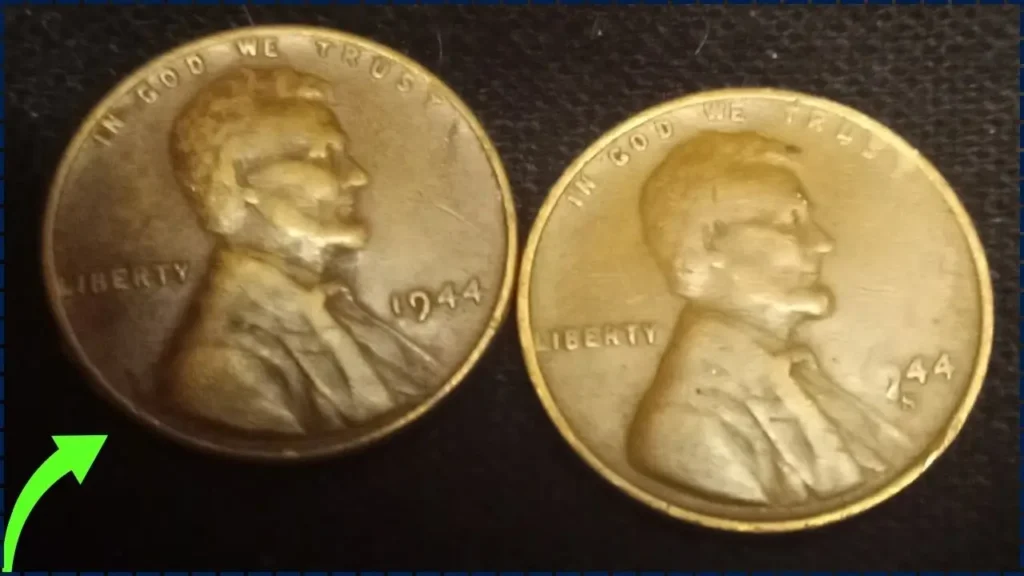
Whether you’re a seasoned numismatist or a casual seller looking to cash in on your collection, this comprehensive guide will walk you through everything you need to know in 2026 about selling these valuable coins. From identifying rarity to selecting the right marketplace, understanding the process will ensure you get the best possible return on your investment.
Table of Contents
Identifying Valuable Wheat Pennies
Before embarking on the selling process, it’s crucial to understand what makes certain Wheat Pennies more valuable than others. Not all Wheat Pennies are created equal, and the price can vary widely depending on a few key factors: rarity, condition, and unique errors.
Key Factors Affecting Wheat Penny Value
- Year and Mint Mark: Certain years and mint marks are rare and highly valuable. For example, the 1909-S VDB (featuring the initials of designer Victor David Brenner) is one of the most sought-after Wheat Pennies.
- Condition (Grading): Coins are graded on a scale from 1 to 70, with higher grades corresponding to coins in better condition. Uncirculated coins with minimal wear can command premium prices.
- Errors and Varieties: Misprints, such as double dies or missing mint marks, can significantly increase the value of a coin. The 1922 “No D” is a notable example where a mint mark error led to a coin becoming highly collectible.
Coins in pristine, uncirculated condition are generally worth more than those showing signs of wear. To assess the condition of your Wheat Penny, you may need professional help, especially if it is potentially a rare error coin. Many collectors rely on certified grading services such as the Professional Coin Grading Service (PCGS) or the Numismatic Guaranty Corporation (NGC) for reliable evaluations.
The History and Appeal of Wheat Pennies
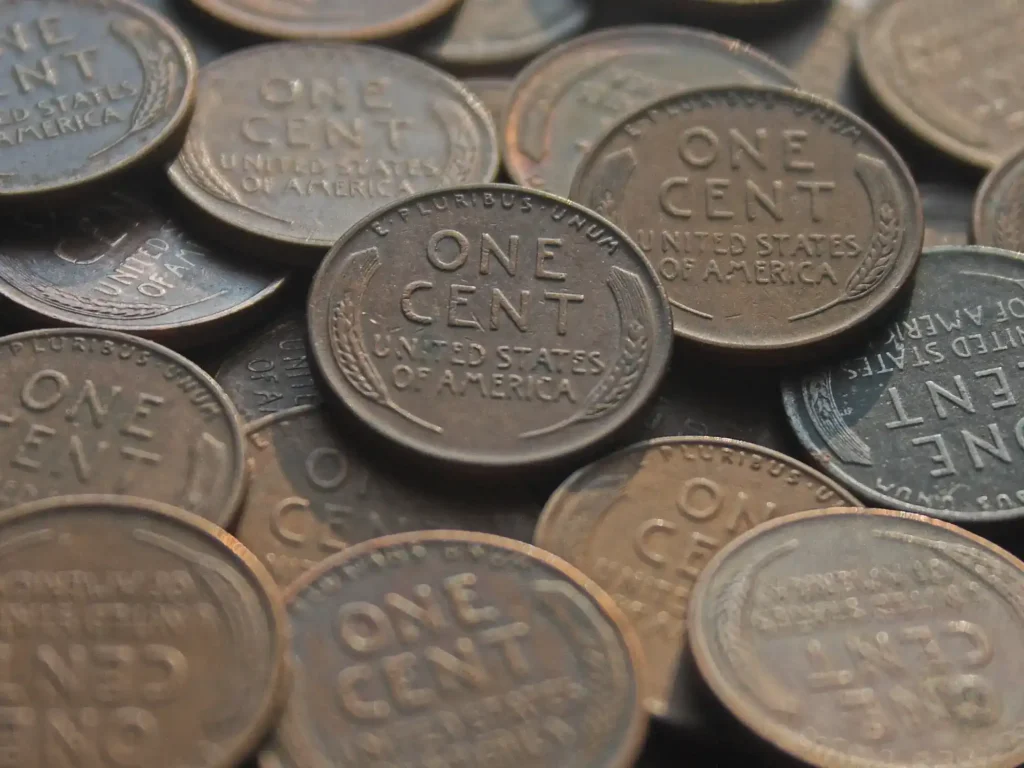
The Wheat Penny, officially known as the Lincoln Cent, was first issued by the U.S. Mint in 1909 to commemorate the 100th anniversary of President Abraham Lincoln’s birth. The coin features two ears of wheat on the reverse side, which is how it earned its popular name.
The coin was initially designed by Victor David Brenner, whose initials “VDB” were originally placed on the reverse but later removed due to public controversy. The design continued until 1958, when the Wheat design was replaced by the Lincoln Memorial design.
Despite its years of circulation, Wheat Pennies remain highly collectible today for several reasons:
- Historical Significance: As the first U.S. coin to feature Abraham Lincoln, the Wheat Penny is an iconic symbol of American history and numismatics.
- Collectability: The appeal of Wheat Pennies goes beyond their simple design. Many collectors focus on specific years, mint marks, and errors that make each coin unique.
- Investment Potential: Due to their enduring popularity, Wheat Pennies can appreciate over time, making them a valuable asset for coin collectors and investors alike.
Getting Your Coins Graded and Authenticated
Selling a Wheat Penny for top dollar often requires having it professionally graded and authenticated. Certification from an accredited grading service provides buyers with confidence that the coin is genuine and accurately described in terms of its condition.
Grading Your Coin
The most widely recognized grading scale for coins is the Sheldon Scale, which ranges from Poor (P-1) to Perfect (MS-70). The higher the grade, the more valuable the coin. Coins that are graded MS-60 or above are typically seen as uncirculated, meaning they show no wear from handling. In contrast, coins graded AU-50 to AU-58 show some wear but are still in relatively good condition for their age.
Grading a Wheat Penny is a complex process that involves evaluating several factors:
- Wear and Tear: Scratches, discoloration, or worn-out features can significantly reduce a coin’s value.
- Strike Quality: This refers to how well the coin was struck at the mint. Poorly struck coins can have less detail, making them less valuable.
- Eye Appeal: The overall visual appeal of the coin, including the luster, cleanliness, and absence of significant flaws, can affect its price.
Professional Coin Grading Services such as PCGS, NGC, or Independent Coin Grading (ICG) offer reliable assessments, though expect to pay for the service. A typical grading fee starts at around $15 per coin but can rise depending on the coin’s value and level of service. Certified coins typically sell for higher prices due to the buyer’s assurance of authenticity and condition.
Sell Rare Wheat Pennies in 2026 Sell Your Wheat Pennies
Once your Wheat Pennies have been graded and you understand their value, the next step is selling them. Whether you want to offload a single coin or an entire collection, there are several avenues available. Each option has its own advantages and drawbacks, depending on how quickly you need to sell and how much you’re hoping to earn.
1. Online Auctions: The Best Option for Rare Coins
Online auction platforms like eBay and Heritage Auctions offer a vast pool of buyers, ranging from casual collectors to serious investors. Auctioning your Wheat Pennies allows you to tap into a competitive market, potentially driving up the sale price through bidding.
- eBay is one of the largest and most popular online marketplaces for coins. If you choose this route, be sure to include high-quality photographs and a detailed description of the coin’s year, mint mark, grade, and condition. It’s also wise to set a reasonable reserve price (the minimum price you’re willing to accept).
- Heritage Auctions and other specialized auction houses like Stack’s Bowers offer a more targeted audience of serious collectors and numismatists. They typically charge higher fees (ranging from 5-10%) but can fetch higher prices for rare and highly sought-after coins.
2. Coin Dealers and Local Coin Shops
For those who prefer a quicker, more straightforward transaction, selling to a local coin dealer or at a coin shop can be a viable option. Coin dealers will typically purchase your Wheat Pennies outright, offering you cash or store credit in exchange.
While this route may be faster, the price you receive will often be lower than what you could fetch at auction, as dealers generally aim to buy at wholesale prices. Additionally, the value of rare Wheat Pennies is highly subjective, and dealers may offer you less than the true market value, especially if you’re unaware of your coin’s worth.
3. Online Coin Marketplaces
For those looking for a blend of convenience and auction-like competition, online marketplaces such as GreatCollections or Catawiki specialize in numismatics and coin trading. These platforms charge a commission, but they typically attract a serious base of collectors, ensuring fair market value for high-quality or rare Wheat Pennies.
4. Coin Shows
Attending a coin show can also be a great option for sellers who wish to interact directly with potential buyers. Coin shows, which occur nationwide throughout the year, bring together dealers, collectors, and investors, making them a perfect opportunity to gauge the market for your coins. Some coin shows feature competitive bidding, and sellers can choose to either consign their coins to dealers or negotiate directly with buyers.
Maximizing Your Wheat Penny Sale: Tips for Success
To maximize your Wheat Penny sale, take a few simple steps to ensure that you get the best possible price for your coins.
- Do Your Research: Study the recent sale prices of similar coins to ensure you’re pricing them correctly.
- Photograph Your Coins Professionally: High-quality photos that show off your coin’s condition will attract more buyers.
- Provide Full Disclosure: Be transparent about the coin’s condition and any imperfections.
- Choose the Right Selling Platform: Determine which platform will give you the best exposure for your specific coin.
Sell Rare Wheat Pennies in 2026 Spot a Fake Wheat Penny
The rise in popularity of Wheat Pennies has also led to an increase in counterfeit coins. To avoid being duped, it’s crucial to be able to identify fake Wheat Pennies. Here are some tips:
- Weight and Size: Genuine Wheat Pennies weigh about 3.11 grams. If your coin feels lighter or heavier, it may be counterfeit.
- Magnet Test: Wheat Pennies are made of 95% copper, so they should not be attracted to a magnet. If your coin sticks to a magnet, it’s likely a fake.
- Appearance and Texture: Fakes often lack the sharp details found in genuine coins. Look for imperfections in the coin’s design, which may be an indication of poor manufacturing.
Related Links
New $725 Guaranteed Income Program Confirmed – Major Boost for U.S. Families Coming
You’re Overqualified: How to Handle the Most Common PhD Job Rejection
Selling rare Wheat Pennies in 2026 can be both a rewarding and complex process. With proper knowledge and preparation, sellers can maximize the return on their investment while avoiding the common mistakes that often plague unprepared sellers.
Whether you choose to sell at auction, through a dealer, or online, understanding how to grade, authenticate, and effectively market your coins is key to achieving the highest possible sale price. Always remember to carefully research, handle your coins properly, and choose the best platform for selling to ensure a successful transaction.